Susanne Rössler
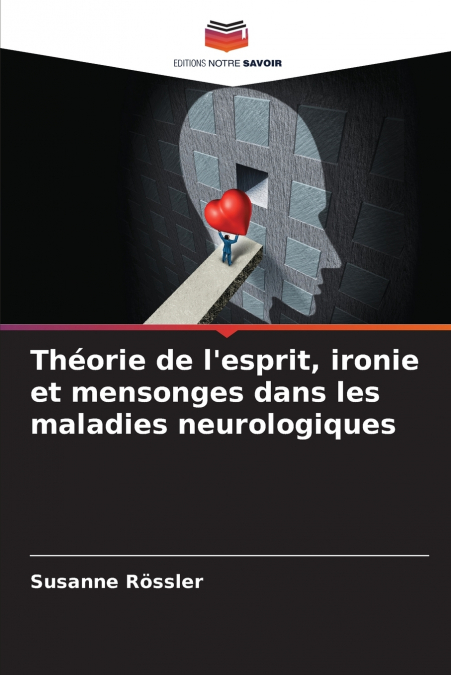
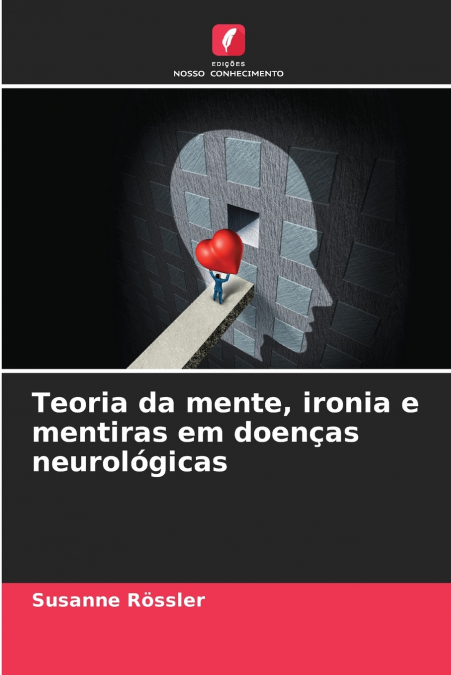
This study documents the investigation of understanding of theory of mind, irony and lying in neurological outpatients affected by neurological disorders. The influence of and correlations with additional factors such as age, executive functions and physical and psychological symptoms were examined. No significant differences in Theory of Mind, lying and irony comprehension were found with regard to patient diagnoses. A negative influence of brain damage on Theory of Mind comprehension can be assumed. In addition, a decline in Theory of Mind abilities with increasing age can be assumed. It remains unclear whether every person can develop third-order Theory of Mind in the course of their life. Further correlations between second-order theory of mind and the understanding of irony and lying were confirmed. Impairments in executive functions and phobic fears resulted in poor theory of mind performance. Compulsiveness, insecurity, depression, aggressiveness and paranoid thinking led to a poor understanding of lying.