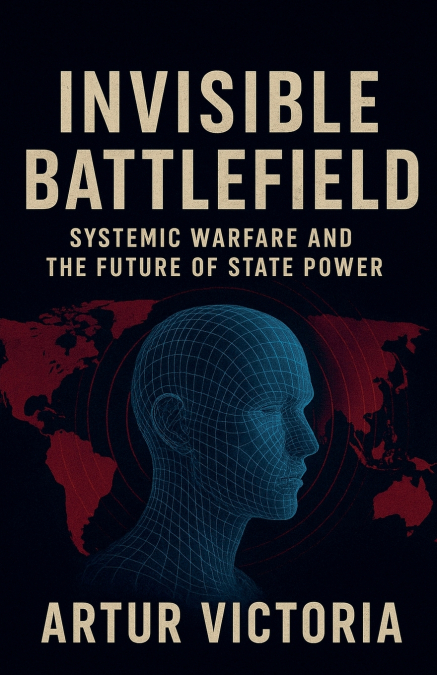
Artur Victoria
For most of human history, the self was a largely private construction - formed through personal experience, community interaction, and cultural norms. Identity evolved slowly, shaped by family, environment, class, religion, and circumstance. While people performed various social roles - as parents, workers, citizens, friends - the idea of performing constantly, publicly, and for an invisible global audience would have been unthinkable. The gaze of others was limited, intermittent, and familiar. There was no concept of an algorithmic mirror, no sense that a person’s worth or visibility could be quantified and fed back to them as instant numerical feedback.But with the rise of social media platforms, humanity entered an entirely new era: the age of perpetual performance. Today, everything can be content. Everything can be shared. Everything can be measured. The platforms that now mediate a large portion of our social lives have quietly reordered our psychology, nudging us toward behaviours that align less with who we are and more with what performs well.The result is a world where the distinction between authenticity and performance is collapsing. A world in which the average person becomes, in some small but meaningful way, an influencer - managing their life, shaping their image, and participating in an economy where attention is both currency and commodity.