Iraq and the Age of Intervention

Iraq and the Age of Intervention

Hui Wang

25,34 €
IVA incluido
Disponible
Editorial:
Hui Wang
Año de edición:
2026
ISBN:
9789190150030
25,34 €
IVA incluido
Disponible
Añadir a favoritos

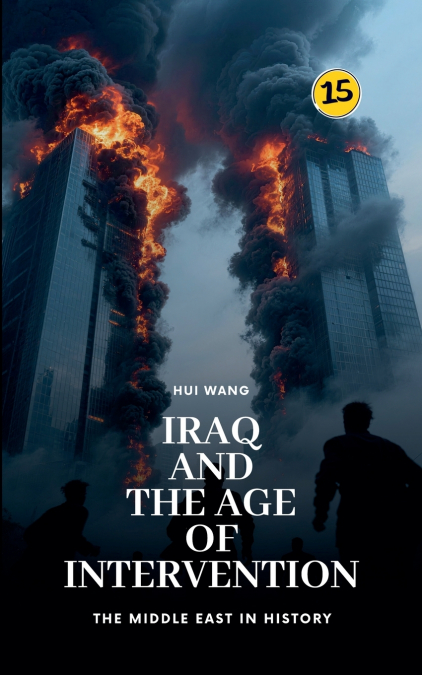
Iraq and the Age of Intervention: The Middle East in History, is my attempt to make sense of how a single country kept drifting from one war into the next-and why outside powers kept stepping in. I start at the Shatt al‑Arab, that contested waterway where borders, currents, and national pride conspire to make conflict almost inevitable. From there the story moves into the bitter, personal rivalry between Saddam Hussein and Ayatollah Khomeini. Their confrontation did more than ignite the Iran-Iraq War; it reordered the region, invited arms dealers and foreign money, and turned Iraq into a frontline of modern intervention.As the narrative unfolds I trace the war across its many stages: the sweeping air campaigns, the shadow of Osirak-the French‑built research reactor near Baghdad that Israel struck in 1981-and the political ruptures from the collapse of the 1975 Algiers Agreement to the wave of preemptive strikes like Operation Opera. I follow the fighting from Basra’s devastated streets to the grim brutality of the Anfal campaign against the Kurds. These were not abstract maneuvers on a map. They were choices made by named leaders, advisers, and intermediaries-decisions whose long shadows fell on millions. Saddam’s war machine, Iran’s revolutionary zeal, and the quiet, often lucrative role of weapons suppliers all pushed the conflict toward exhaustion rather than resolution.When the guns finally slowed, Iraq lay wounded but still dangerous. Oil, debt and raw ambition had collided, and Saddam was ready to make his next gamble. I trace the story from Rumaila - the vast oilfield astride the Iraq-Kuwait boundary that fed grievances and accusations - to the fraught meeting with Ambassador April Glaspie, and the chain of misread signals and diplomatic ambiguities that opened the door to Desert Shield. From Dick Cheney’s calculations about force and deterrence to the palpable fears in Riyadh, from George H. W. Bush and Margaret Thatcher to UN Resolution 678, the Gulf War begins to read less like an accident and more like the result of a long accumulation of choices. Patriots and Scuds, the Highway of Death, and a battlefield victory that left more questions than answers all belong to this same moment.That unfinished victory matters because it did not merely end a war - it set the conditions for what came next. I follow the road that runs from September 11 to Osama bin Laden, from the rise of al‑Qaeda to the Taliban’s role as a sanctuary. The book connects those dots deliberately and, where necessary, cautiously: the wars of the 1980s and 1990s reshaped networks, grievances and state capacity, and the people making decisions often carried old assumptions into a new, more dangerous world.In the final chapters, figures such as Donald Rumsfeld, Cofer Black, Ahmad Chalabi, Dick Cheney, and President George W. Bush step fully into the light. From the first major military response after 9/11-the U.S. invasion of Afghanistan in late 2001-through President Bush’s March 2003 ultimatum and the subsequent collapse of Saddam Hussein’s regime in April 2003, intervention shifts from a reluctant option into a recurring instinct.
Artículos relacionados

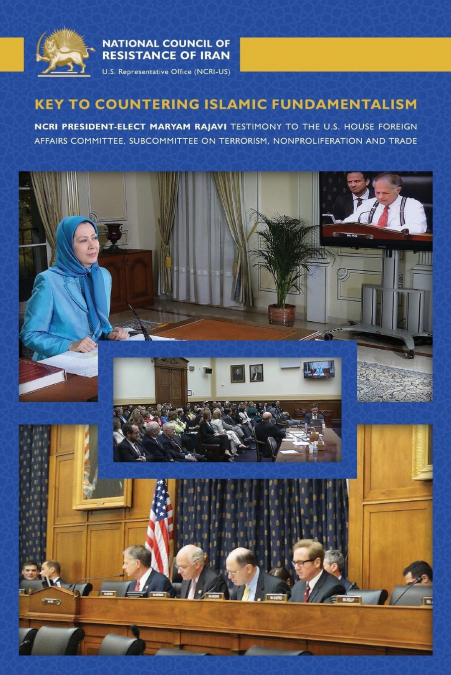
  • Key to Countering Islamic Fundamentalism
    Maryam Rajavi
    Testimony before U.S. House Foreign Affairs Committee's subcommittee on Terrorism, non-Proliferation, and Trade discussing ISIS and Islamic fundamentalism. The book contains Maryam Rajavi's full testimony as well as the question and answer by representatives. During the hearing, Maryam Rajavi who is the president-elect of Iran's parliament-in-exile, the National Council of Resi...
    Disponible

    13,94 €

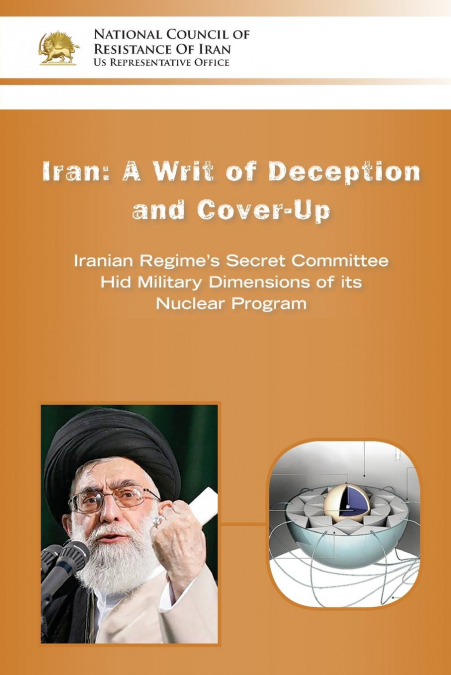
  • IRAN-A Writ of Deception and Cover-up
    NCRI- U.S. Representative Office / NCRI- U.SRepresentative Office
    Based on reliable information obtained by the Mujahedin-e Khalq (MEK) network inside Iran, a top-secret committee is in charge of drafting the answers to the International Atomic Energy Agency (IAEA) regarding the Possible Military Dimensions (PMD) of Tehran's nuclear program. Top officials from the Islamic Revolutionary Guards Corps (IRGC) and the Ministry of Defense Armed...
    Disponible

    5,44 €

  • Sebastopol to Dagenham
    Thomas Basil Fanshawe
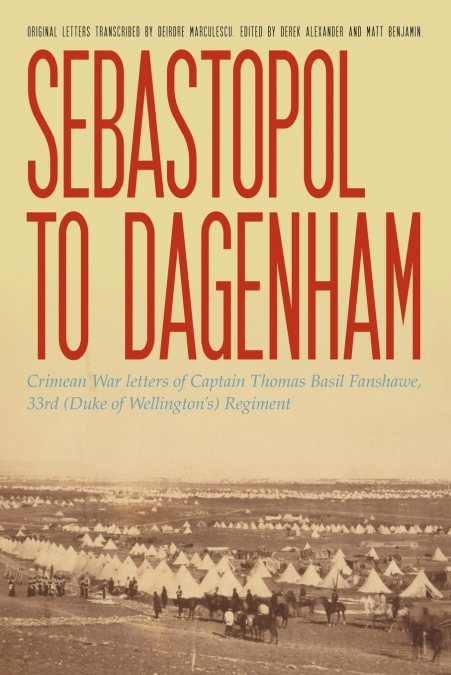
    'Sebastopol appears to be a succession of forts which the Russians are strengthening every day. A great number of the men are sick of the whole concern. No one looks forward to another winter out here with any degree of satisfaction'.Captain Thomas Basil Fanshawe served with the 33rd (Duke of Wellington's) Regiment at Sebastopol during the Crimean War. The letters h...
    Disponible

    23,05 €

  • THEN AND NOW
    Hussein Shabka
    The rise and fall of civilizations has been a fact of history since before it was recorded. It is a normal process. So what is the particular significance of Egypt’s descent from a wealthy, organized, sophisticated society into the chaotic milieu that reigns today? Perhaps it relates to the nature of the yawning gap that exists between that sophistication that endured for more ...
    Disponible

    33,86 €

  • Iran’s Nuclear Core
    NCRI- U.S. Representative Office / NCRI- U.SRepresentative Office
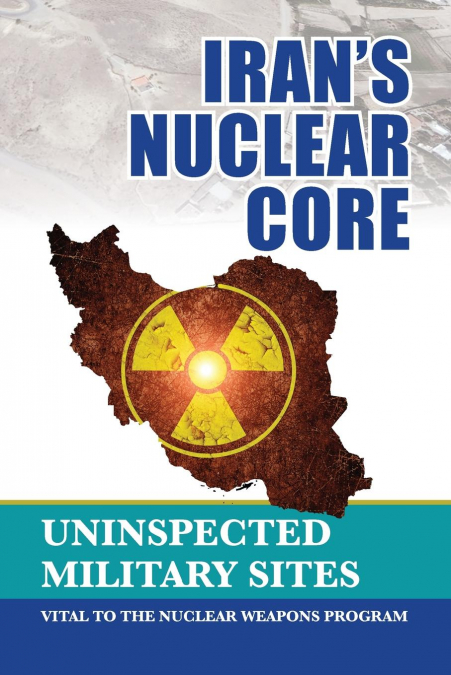
    Iran's Nuclear Core details how the nuclear weapons program is at the heart, and not in parallel, to the civil nuclear program of Iran. The program is run by the Islamic Revolutionary Guards Corp (IRGC) since the beginning, and the main nuclear sites and nuclear research facilities have been hidden from the eyes of the United Nations nuclear watchdog.The manuscript details ...
    Disponible

    23,24 €

  • Terrorist Training Camps in Iran
    NCRI- U.S. Representative Office / NCRI- U.SRepresentative Office
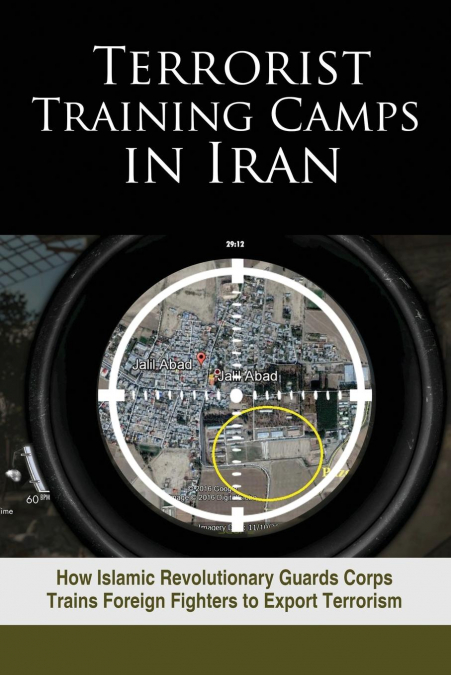
    The book details how  Islamic Revolutionary Guards Corps trains foreign fighters in 15 various camps in Iran to export terrorism. The IRGC has created a large directorate within its extraterritorial arm, the Quds Force, in order to expand its training of foreign mercenaries as part of the strategy to step up its meddling abroad in Syria, Iraq, Yemen, Bahrain, Afghanistan and el...
    Disponible

    23,24 €

Otros libros del autor

  • Ancient Rome
    Hui Wang
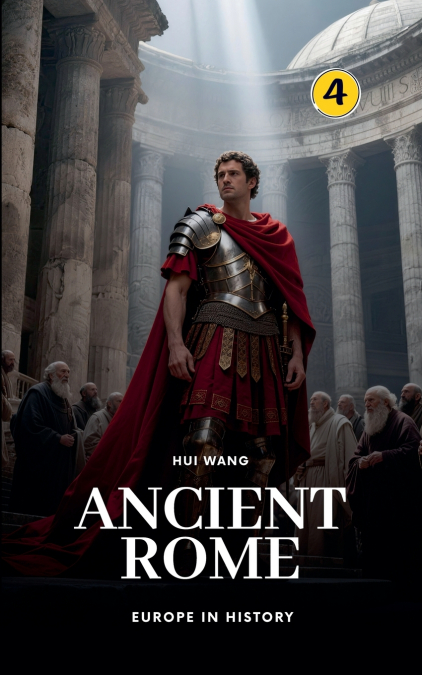
    Ancient Rome: Europe in History, PART TWO, is the book I wish I’d had when I first tried to make sense of Rome’s long slide from republic to empire. I start with Gaius Marius - the reformer whose changes to recruitment and the structure of the legions quietly altered the balance of power in Rome - and then press on to the hard question of why the Republic broke down at all.From...
    Disponible

    24,28 €

  • Ancient Rome
    Hui Wang
    Ancient Rome: Europe in History, PART ONE, is the book I wrote to tell Rome’s story from the ground up, starting with Romulus and Numa and the fragile order they tried to build. These early figures were not just legends; they shaped how Romans thought about law, religion, violence, and authority. From sacred rituals to kingship, from fear to discipline, this opening part shows ...
    Disponible

    25,39 €

  • Ancient Greece
    Hui Wang
    Ancient Greece: Europe in History, PART TWO, is my attempt to tell the Greek story the way it actually felt to live it-tense, unstable, and full of agonizing choices. I open the book with two competing roads to power, Athens and Sparta, and trace how their very different ideas about freedom, discipline, and leadership pushed the Greek world toward confrontation. What begins as ...
    Disponible

    24,40 €

  • From Shah to Revolution
    Hui Wang
    From Shah to Revolution: The Middle East in History, is my attempt to tell the modern Middle East as it actually unfolded - not as tidy abstractions, but through the messy, human forces of people, pressure, and hard choices. I start in Iraq, not Iran: with oil and power, and with the slow, relentless rise of Saddam Hussein. Moving from the chapter 'Iraq First' to 'Saddam Hussei...
    Disponible

    24,30 €

  • The Making of Ba’athist Iraq
    Hui Wang
    The Making of Ba’athist Iraq: The Middle East in History, is my attempt to tell Iraq’s modern story the long way, not the shortcut readers often prefer. Before Saddam Hussein and before the Ba’ath Party took center stage, a series of agreements and regional power plays were already redefining the map - British treaties and negotiations, border settlements involving Najd and the...
    Disponible

    24,43 €

  • The PLO Years
    Hui Wang
    The PLO Years: The Middle East in History, is my attempt to tell the story behind the headlines - the people, the decisions, and the accidents that shaped the modern Middle East. It opens with the Battle of Karameh - the April 1968 clash that transformed Yasser Arafat into a regional symbol - and then follows the emergence of Fatah, tracing how a dispersed, underground network ...
    Disponible

    23,37 €