Ayah Hill
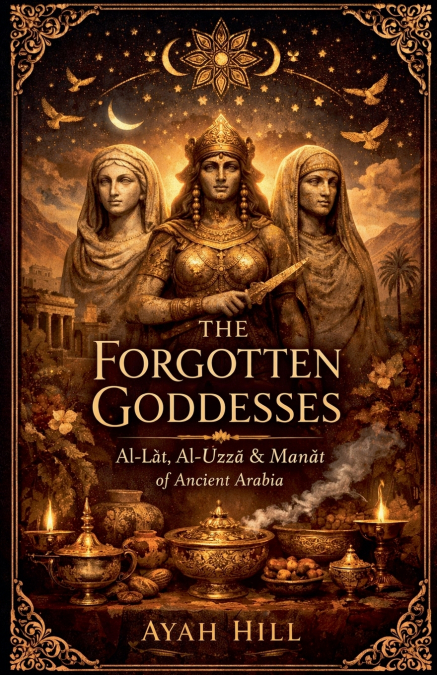
Before Islam transformed the Arabian Peninsula, three goddesses ruled the spiritual landscape.Al-Lāt, the mother of nourishment and stability.Al-ʿUzzā, the fierce protector of warriors and tribes.Manāt, the stern arbiter of fate and death.For centuries, millions worshipped them at sacred sanctuaries, invoked their names in poetry, and organized their lives around their power.Then they vanished.Deliberately erased through religious revolution, these goddesses were systematically removed from history. Their sanctuaries were destroyed, their priestesses silenced, and their names became synonymous with the ignorance Islam had corrected. Within generations, the divine beings who had commanded devotion across Arabia were reduced to footnotes.The Forgotten Goddesses recovers their story.Discover:Who these goddesses were and what they represented to their worshippersThe rituals performed at their sanctuaries across the Arabian PeninsulaThe women who served as priestesses and wielded religious authorityThe poetry that carried divine names through the desertThe pilgrimage routes connecting sacred sites from Mecca to the coastLearn how:Goddess worship shaped pre-Islamic society and gender rolesMilitary campaigns systematically destroyed their sanctuariesLegal prohibitions made worship impossibleThe sacred feminine disappeared from Arabian cosmologyMonotheism restructured the entire religious imaginationThis is not an argument for paganism or a critique of Islam. It is historical recovery-an acknowledgment that before these goddesses became symbols of error, they were sources of meaning, comfort, and power for countless people.Understanding them provides a fuller picture of the world from which Islam emerged and the profound transformation that created the Middle East we know today.