Inicio > Humanidades > Historia > Historia militar > Guerras napoleónicas > Poland and the Western Powers 1938-1939
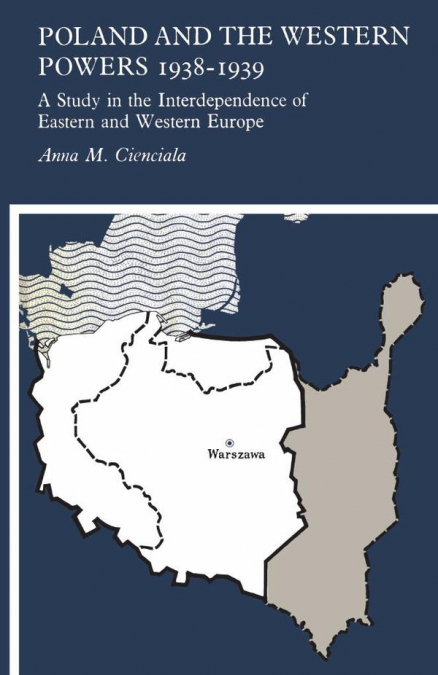
Poland and the Western Powers 1938-1939

Poland and the Western Powers 1938-1939

Cienciala

44,20 €
IVA incluido
Disponible
Editorial:
University of Toronto Press
Año de edición:
1990
Materia
Guerras napoleónicas
ISBN:
9781442639157
44,20 €
IVA incluido
Disponible
Añadir a favoritos

This study has two objectives. The first is to explain the nature and historical roots of the problems facing Polish foreign policy in 1938–39 and the manner in which they were approached by the men who shaped and directed Polish diplomacy. The second is to illustrate the political interdependence in these years of Eastern and Western Europe. This interdependence hinged on the German problem. The attitude of France and Britain towards Poland and Eastern Europe as a whole was primarily a reflection of their policy towards Germany; at the same time, this policy was the decisive factor in the individual reactions of Germany’s eastern neighbours to the threat of resurgent German power.As far as Poland was concerned, she not only had to strive to avert the danger of German revisionism, the realization of which would have made her a vassal of Berlin, but she also had to consider the possibility of Soviet expansion at her expense. This study is, however, primarily concerned with Polish attempts to obtain security with regard to Germany and, in the period in question, this was the main objective of Polish diplomacy. 
Artículos relacionados

  • Labyrinth of Dangerous Hours
    Trzcinska-Croydon
    Lilka Trzcinska was fourteen years old when the Nazis invaded Poland in 1939. The daughter of an architect, Lilka was a high school student at the time. When schools were closed by the occupier, she, along with her siblings, continued their education in secret classes, and joined the Polish Home Army (the secret resistance force)._x000D_ Lilka and her family were arrested by th...
    Disponible

    29,07 €

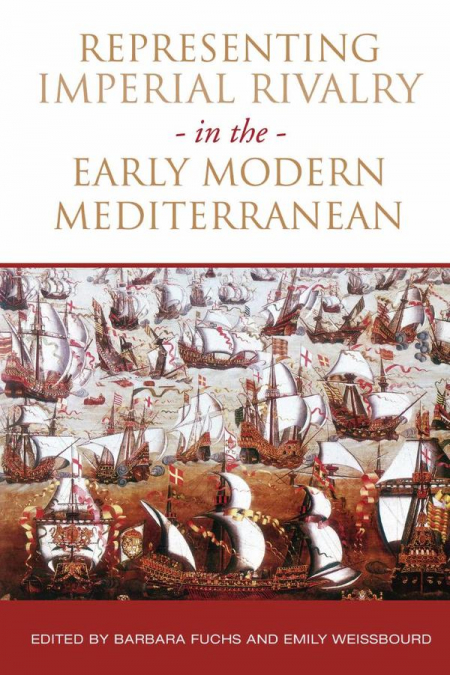
  • Representing Imperial Rivalry in the Early Modern Mediterranean
    Fuchs / Weissbourd
    Representing Imperial Rivalry in the Early Modern Mediterranean explores representations of national, racial, and religious identities within a region dominated by the clash of empires. Bringing together studies of English, Spanish, Italian, and Ottoman literature and cultural artifacts, the volume moves from the broadest issues of representation in the Mediterranean to a case ...
    Disponible

    33,80 €

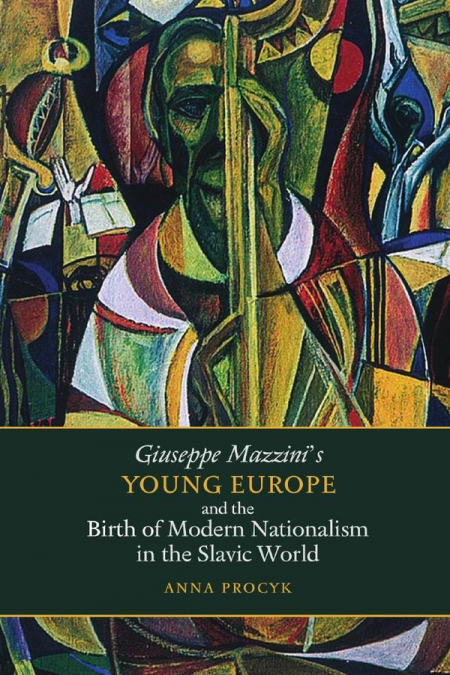
  • Young Europe and the Birth of Modern Nationalism in the Slavic World
    Procyk
    Giuseppe Mazzini’s Young Europe and the Birth of Modern Nationalism in the Slavic World examines the intellectual currents in Eastern Europe that attracted educated youth after the Polish Revolution of 1830–1. Focusing on the political ideas brought to the Slavic world from the West by Polish émigré conspirators, Anna Procyk explores the core message that the Polish revolutiona...
    Disponible

    32,24 €