Dianna Aubin
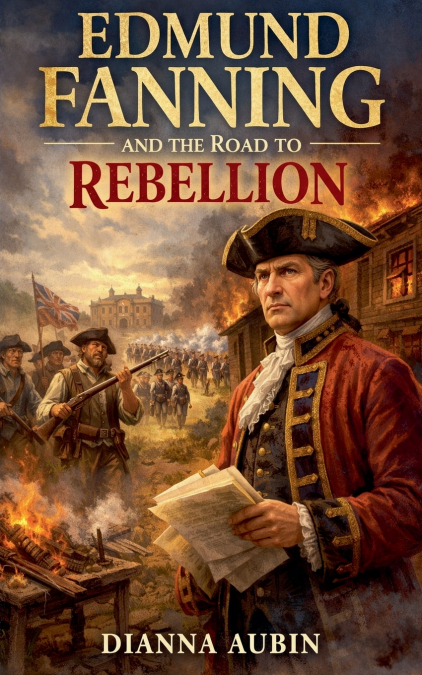
In the years before the American Revolution, rebellion did not begin with declarations or armies. It began in courthouses, on muddy roads, and in the quiet anger of ordinary people who believed the law had turned against them.At the center of that growing unrest stood Edmund Fanning; a Yale-educated lawyer and powerful colonial official whose name became synonymous with corruption, excessive fees, and unchecked authority in North Carolina’s backcountry. To the Crown, he was an efficient administrator. To frontier settlers, he was proof that justice no longer served the people it governed.As farmers organized into what became known as the Regulator Movement, petitions gave way to confrontation, and confrontation gave way to violence. Courtrooms were overrun. Homes were attacked. And when royal authority finally answered protest with armed force, the conflict culminated in the Battle of Alamance; years before Lexington and Concord.Edmund Fanning and the Road to Rebellion traces the rise of one man and the collapse of trust that followed, revealing how local corruption and rigid authority helped ignite a broader revolutionary spirit. This gripping narrative history explores power, resistance, and the dangerous moment when law, stripped of justice, teaches people that obedience is no longer enough.