Inicio > Humanidades > Filosofía > Ética y filosofía moral > Barroco: nepantla y la razón oscilante
Barroco: nepantla y la razón oscilante

Barroco: nepantla y la razón oscilante

Héctor Zagal

29,07 €
IVA incluido
Disponible
Editorial:
Lambda Editorial
Año de edición:
2026
Materia
Ética y filosofía moral
ISBN:
9786078986712
29,07 €
IVA incluido
Disponible
Añadir a favoritos

El término “barroco” se utiliza para calificar fenómenos aparentemente disímbolos, como el mole poblano y el talante de Cantinflas; la filosofía de Leibniz y el Superflat de Takashi Murakami; el dormitorio de Luis XIV en Versalles y el cuadro In Ictu Oculi de Valdés Leal. Frente a registros tan amplios, este libro aborda el Barroco más como una gramática existencial que como un catálogo de formas.Zagal analiza diversas manifestaciones del Barroco como producto de la tensión estructural que proviene delhos me paulino. El cristiano se enfrenta a la tarea de vivir en el mundo “como si no” fuera del mundo. En el contexto de esta ética de la distancia, los vínculos y los bienes son relativos, pero no falsos; lo visible es verdadero, pero no definitivo. Esta tensión es zozobra, lucha perpetua de contrarios, es oscilación e inestabilidad. La gramática y plástica del Barroco se presenta como una forma histórica de habitar la contradicción.Barroco: nepantla y la razón oscilante recorre los rasgos y cartografías de América y Europa como el intento de insinuar lo infinito en la acumulación de finitos.Se trata de un libro que articula el espíritu del Barroco sin confundir claridad con univocidad.
Artículos relacionados

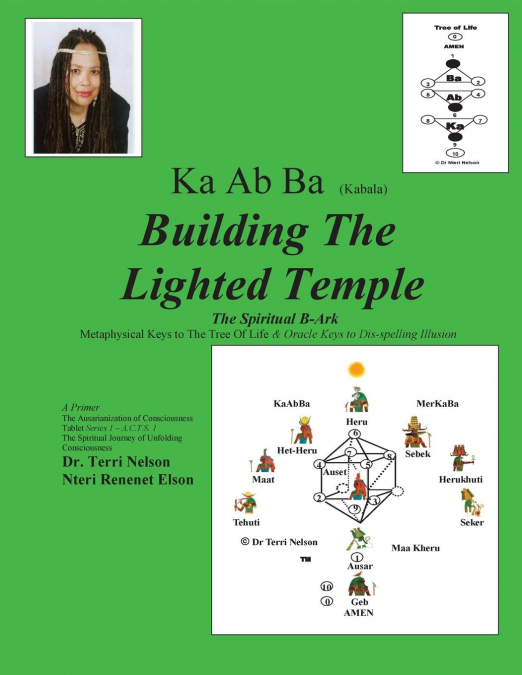
  • Ka Ab Ba Building The Lighted Temple
    Dr Terri R. Nelson / Dr Terri RNelson
    The book KaAbBa Building The Lighted Temple/Metaphysical Keys to the Tree of Life draws a circle that is inclusive of the Afrikan origin of the Ancient Kemetic/Egyptian wisdom. It reveals the undeniable root and link of Ancient Africa to all the religious systems that would develop worldwide. This book is explosive in its power to convey the meaning of KaAbBa, the Medu Neter  (...
    Disponible

    37,41 €

  • Technoethics and the Evolving Knowledge Society
    Rocci Luppicini
    Recently, there has been a major push to rediscover the ethical dimension of technology across the sciences, social sciences, and humanities. Technoethics and the Evolving Knowledge Society: Ethical Issues in Technological Design, Research, Development, and Innovation examines human processes and practices connected to technology embedded within social, political, and moral sph...
    Disponible

    236,22 €

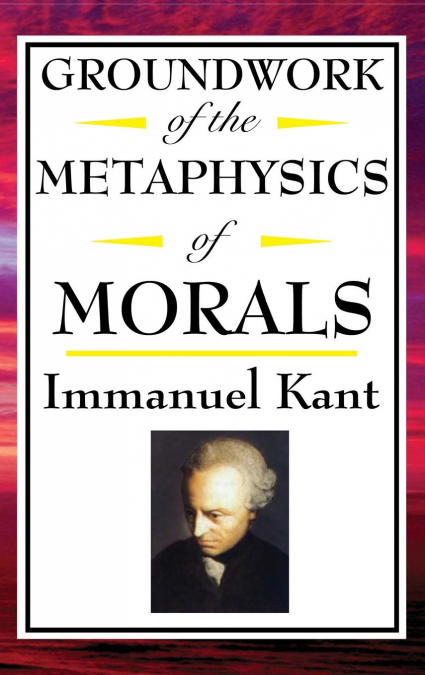
  • Kant
    Immanuel Kant
    Kant’s Groundwork of the Metaphysics of Morals is one of the most important works in modern moral philosophy. It belongs beside Plato, Aristotle, Machiavelli, and Hobbes. Here Kant sets out to articulate and defend the Categorical Imperative - the fundamental principle that underlies moral reasoning - and to lay the foundation for a comprehensive account of justice and human vi...
    Disponible

    20,26 €

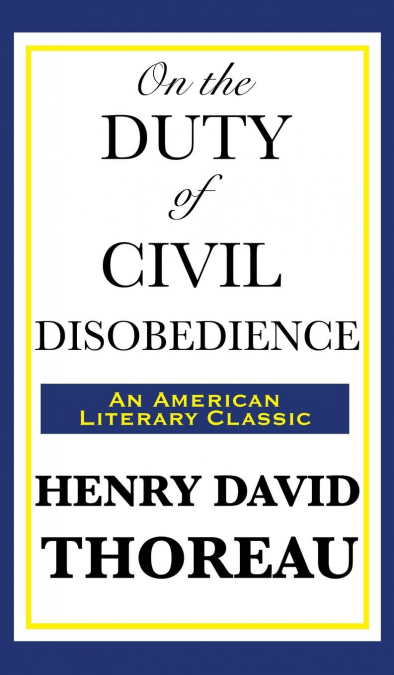
  • On the Duty of Civil Disobedience
    HENRY DAVID THOREAU
    Civil Disobedience argues that citizens should not permit their governments to overrule their consciences, and that they have a duty to avoid allowing their acquiescence to enable the government to make them the agents of injustice. Thoreau was motivated in part by his disgust with slavery and the Mexican-American War, but the sentiments he expresses here are just as pertinent ...
    Disponible

    17,75 €

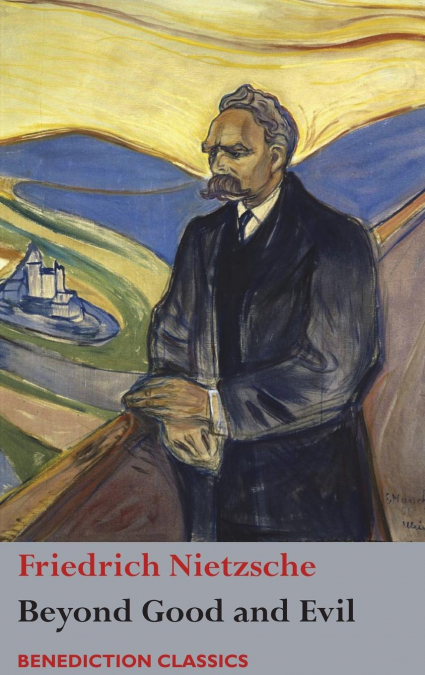
  • Beyond Good and Evil
    Friedrich Nietzsche
    Nietzsche, though primarily a philosopher, wrote widely on art, philology, history, religion, tragedy, culture, and science.  In 1886, at the height of his powers, he published Beyond Good and Evil.  Here he examines much of the best of human thought--dogmatic philosophy, Judeo-Christian morality, science and democracy – and finds it lacking.  Rejecting “slave-morality” he pres...
    Disponible

    21,70 €

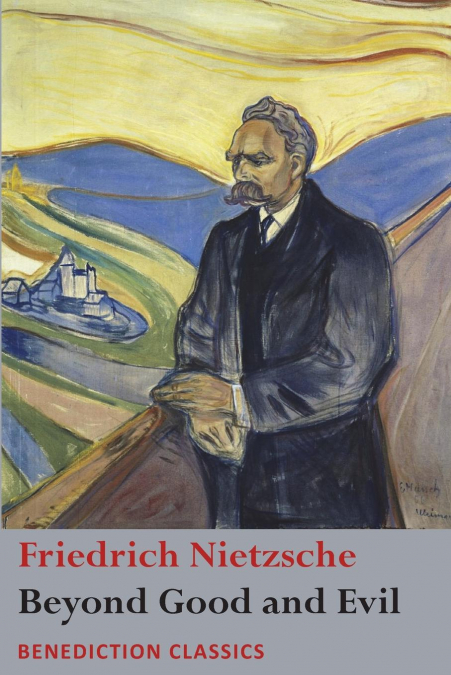
  • Beyond Good and Evil
    Friedrich Nietzsche
    Nietzsche, though primarily a philosopher, wrote widely on art, philology, history, religion, tragedy, culture, and science.  In 1886, at the height of his powers, he published Beyond Good and Evil.  Here he examines much of the best of human thought--dogmatic philosophy, Judeo-Christian morality, science and democracy – and finds it lacking.  Rejecting “slave-morality” he pres...
    Disponible

    9,99 €